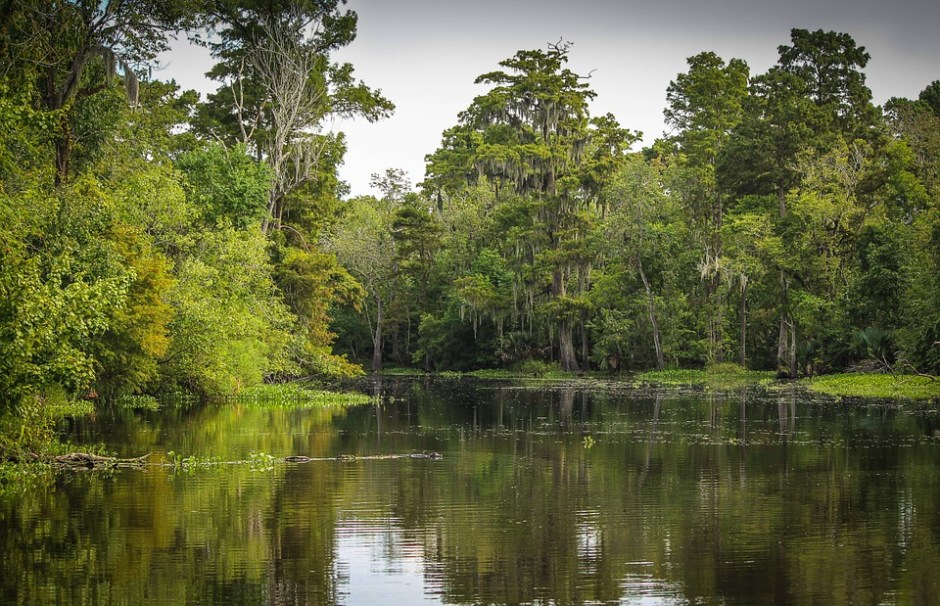
During that time, John the Baptist was preaching in the wilderness of Judea.
He preached, “Change your ways! The new Kingdom of Heaven is coming soon.”
John the Baptist was talked about by the prophet Isaiah when he said, “There is a voice shouting in the wilderness, ‘Get ready for the Lord! Make your paths straight!'”
John’s shirt was made of camel hair and he had a leather belt around his waist. He ate locusts and wild honey. People in Jerusalem, Judea and the regions around the Jordan river came to see and hear him.
John baptised them in the Jordan river when they admitted their failures. Pharisees [Jews who believed a messiah was coming, but only for Jews] and Sadducees [Jews who didn’t believe a messiah was coming at all] also came to his baptisms.
John said to them, “You sons of snakes! Who told you to escape from the punishments that are coming? Make it obvious that you have changed your ways. Don’t presume that you can just say ‘Abraham is our father’. I’m telling you that God can raise up children of Abraham from these stones here! The axe has already started chopping at the tree roots. Every tree not producing good fruit is going to be cut down and thrown into the fire. I baptise you with water to change your life, but someone is coming who is more powerful than me. I am not even worthy to carry his shoes. He will baptise you with the Holy Spirit and fire. He has his shovel and he’ll clear the floor of the granary, gather his wheat, but burn the chaff with inextinguishable fire.”
Jesus came from Galilee to the Jordan river to be baptised by John.
John tried to stop him by saying, “I need to be baptised by you! Why are you coming to me?”
Jesus answered, “Do it for now, as this is how we are going to fulfil God’s justice.” He then was baptised.
After Jesus was dipped into the water, he came back up and the skies cleared up. God’s spirit came down in the form of a dove and came to Jesus.
A voice from the skies said, “This is my son who I love, and I am very pleased with him.”
Matthew Chapter 3 Summary
In Matthew Chapter 3, John the Baptist appears in Judea’s wilderness, announcing the coming arrival of the Kingdom of Heaven and urging people to reconsider. Isaiah’s prophecy told of John’s message, encouraging people to prepare for the Lord’s coming. John, wearing camel hair with a leather belt, ate locusts and wild honey. People came to see to him from all over, including Jerusalem and Jordan. Those who reconsidered and confessed their sins were baptised in the Jordan river.
The Pharisees and Sadducees, Jewish groups with different beliefs about the Messiah, also came for baptism. John told them off and urged them to change rather than relying on their family line. He spoke of another man, greater than he was, who would baptise with the Holy Spirit and fire.
Jesus then arrives from Galilee to be baptised by John. John initially resists, feeling unworthy, but Jesus insists it’s necessary to fulfil God’s justice for the world. After Jesus’ baptism, the sky cleared, and a dove representing God’s spirit came down to on Jesus. A heavenly voice proclaims Jesus as God’s son who he loves, with whom He is very pleased.
Matthew Chapter 3 Bible Study Questions and Answers
- Q: How can John the Baptist’s message of reconsidered what we do [repentance] be applied to our lives today?
A: Repentance remains an essential step in the Christian life. It means recognising and turning away from our sinful behaviours, and continually aiming to live according to God’s will and plans. - Q: What was the significance of John the Baptist’s clothes and food?
A: John’s lifestyle symbolised a life of simplicity. It serves as a reminder to not be consumed by worldly things and to focus more on spiritual growth. - Q: How can we see true change in our lives, as John told off the Pharisees and Sadducees?
A: Genuine change is seen through our actions and attitudes. It’s about more than just saying the right words; it involves a genuine change in our hearts that is reflected in how we treat others and live our lives. - Q: What does the idea of Jesus baptising with the Holy Spirit and fire mean to you?
A: It refers to a deep, spiritual cleaning that goes beyond what water can clean. The Holy Spirit purifies, renews, and gives us power, while the fire symbolises the cleaning presence of God that deals with sin. - Q: How does Jesus’ humility, shown when he insisted on being baptised by John, inform our own attitudes and actions?
A: It reminds us to be humble, acknowledging that we’re part of God’s broader plan and that we’re called to serve, not to be served.
Matthew Chapter 3 Explained
Matthew Chapter 3 introduces John the Baptist, a significant person in Christianity, who called for people to reconsider their ways in anticipation of the coming Kingdom of Heaven. His life in the wilderness and eating locusts and honey portrays a man dedicated to his mission and less concerned with earthly things. His simple lifestyle sends a clear message about the need for humility and being less concerned with worldly things for spiritual growth.
John’s preaching contains Isaiah’s prophecy, connecting the Old and New Testaments and confirming that John was the foretold advertiser of the Messiah. His message was a call to change in preparation for the coming of Jesus, a challenge that still holds true today. John’s words to the Pharisees and Sadducees were a stern warning against getting comfortable and having a surface-level faith. It emphasised that true repentance is shown through actions, not mere words or having a certain family line.
Jesus’ baptism is very significant. Despite John’s objections, Jesus insisted on being baptised, displaying humility and obedience to God’s plan. His baptism publicly confirmed his mission and served as the official start of his ministry. The opening of the sky, the descent of the dove and the divine voice confirmed Jesus as God’s Son, setting the stage for his public service and role as the saviour.
Overall, this chapter contains themes of preparation, repentance, humility, and divine confirmation. It serves as an important point in the New Testament, being the change from prophecy to fulfilment, and from preparation to action. The chapter calls Christians to a life of sincere repentance, humble service, and active faith in the knowledge that Jesus, the one who baptises with the Holy Spirit and fire, is leading the way.
To read the next chapters, you might like to follow and subscribe to this blog!
Continue exploring Matthew 3
If you’d like to read Matthew 3 in other translations, here are a few BibleHub links:
For a translation that aims to be word-for-word, try Matthew 3 in the English Standard Version.
For a translation that aims to be more thought-for-thought, try Matthew 3 in the New International Version.
For a translation that aims to communicate the overall meaning, try Matthew 3 in the Contemporary English Version.
If you prefer to read the Bible in a hard-copy format, here are cheaper versions from Amazon:
[These are Amazon affiliate links which support the production of this blog]
For a translation that aims to be word-for-word, ESV Economy Bible
For a translation that aims to be more thought-for-thought, NIV, Economy Bible, Paperback: Accurate. Readable. Clear.
For a translation that aims to communicate the overall meaning, Holy Bible: Contemporary English Version
If you’d like to explore Matthew in more depth, here are some commentaries I would recommend:
[These are Amazon affiliate links which support the production of this blog]
Easy to access commentaries that include life applications:
The NIV Application Commentary: Matthew
Matthew (The Story of God Bible Commentary)
For a commentary that goes into more depth:
The Gospel of Matthew (The New International Commentary on the New Testament)
 Not My Life