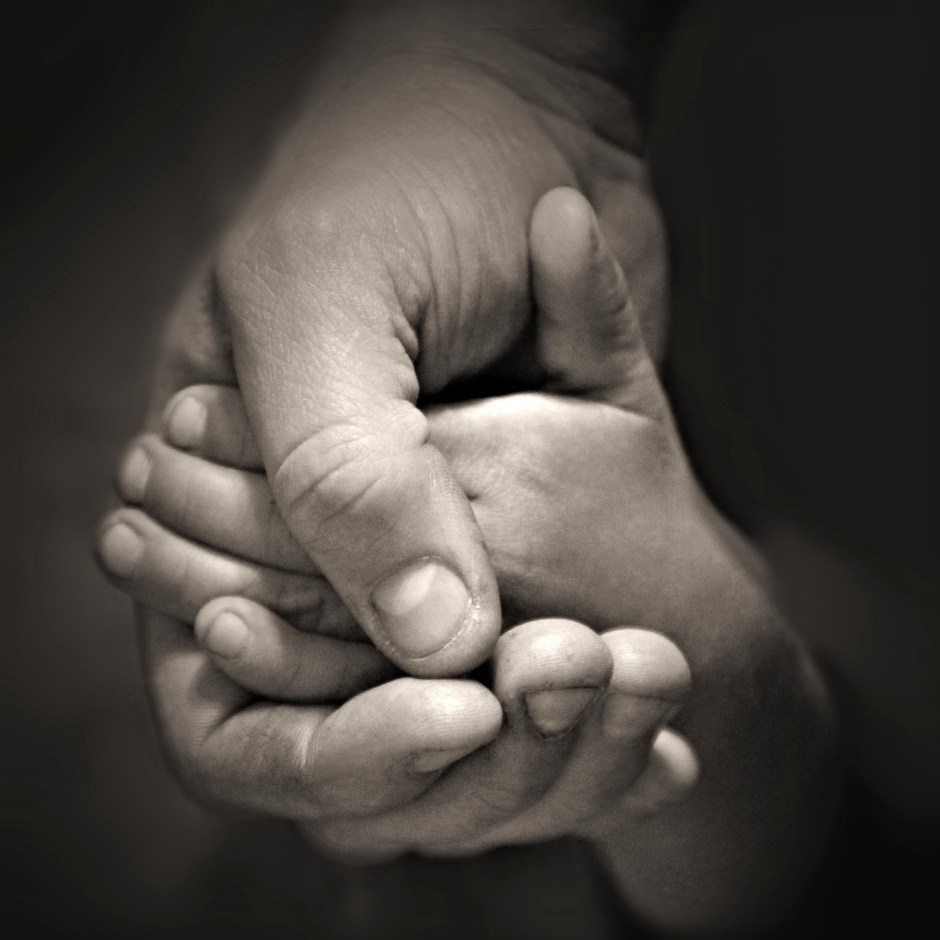
Proverbs 13:24 says “Those who spare the rod hate their children, but those who love them are diligent to discipline them.”
Carl: Do you think we should use physical discipline, also known as corporal punishment, to correct our children? I don’t think we should.
Jonah: I think it is sometimes necessary. It is important to remember that as Christians, our primary guidance comes from the Bible. Proverbs 13:24 says, “Whoever spares the rod hates their children, but the one who loves their children is careful to discipline them.” Clearly, God, in His wisdom, supports discipline which may include corporal punishment.
Carl: I respect the Bible deeply and recognise its guidance in our lives. However, it’s crucial to understand scripture in its cultural and historical context. Not every verse can be taken literally. Instead, we should focus on the overarching message of love, understanding, and compassion. Ephesians 6:4 reminds us, “Fathers, do not provoke your children to anger, but bring them up in the discipline and instruction of the Lord.”
Jonah: But discipline and instruction may require strong methods. Children are often resistant and lack respect for authority. Sometimes, a little corporal punishment can help correct them and lead them back onto the right path. The Bible wouldn’t mention it if it wasn’t a valid method of teaching.
Carl: While discipline is essential, physical corporal punishment might not be the most effective or loving way. Research has physical consistently shown that corporal punishment can lead to aggressive behaviour, antisocial behaviour, physical injury, and mental health problems for children. It’s our responsibility to approach discipline in a way that nurtures and teaches, rather than instilling fear.
Jonah: The world may tell us many things, but our faith tells us to trust in the Word. The Bible has been our guide for thousands of years, and if it mentions the importance of the ‘rod’ in disciplining children, then there’s wisdom in that.
Carl: It’s not about ignoring the Bible but interpreting its teachings in the light of Christ’s love and compassion. The rod mentioned in Proverbs could very well be a metaphor for guidance and discipline, not necessarily a physical tool for punishment. We should be guides, showing them the way of the Lord without causing harm.
Jonah: I believe that by using corporal punishment sensibly and with love, not out of anger or frustration, we can guide our children. It’s about correction, not harm.
Carl: But there are many ways to correct without resorting to physical means. We can use timeouts, loss of privileges, conversations, and natural consequences. We’re living in a time when we have resources and knowledge that provide us with alternatives that align with the loving teachings of Christ. Why not use them?
Jonah: I firmly believe that as parents, we have the discernment to decide what’s best for our children. We should not be judged if, occasionally, we see fit to use corporal punishment as a corrective tool.
Carl: However, it’s essential to keep in mind that as the world evolves, so should our methods. Christ’s message was revolutionary for his time, and we should continuously strive to replicate His love and compassion, especially towards the most vulnerable, like our children.
Jonah: I’d like to point out that for generations, many societies practiced corporal punishment and raised children who became responsible and god-fearing adults. There’s a traditional wisdom in this method that’s stood the test of time.
Carl: While traditions have their value, it’s important to remember that just because something was done for generations doesn’t mean it’s the best or most moral method. I believe our understanding of morality, psychology, and child-rearing should evolve with our knowledge and insights. Our ancestors did their best with what they knew; we should strive to do the same with what we now understand.
Jonah: I’m not necessarily arguing we must strictly adhere to old ways, but that there is divine wisdom in the Scriptures. When the Bible mentions the rod, it’s giving us tools for guidance. We cannot dismiss that just because modern psychology presents an alternative viewpoint.
Carl: The beauty of the Bible lies in its depth and multifaceted interpretations. Take the term “rod” in the Bible. It’s mentioned in various contexts. Psalm 23:4 says, “Your rod and your staff, they comfort me.” Here, the rod is a symbol of guidance and protection, not punishment. So, when we interpret biblical teachings, we should look at the broader context and the primary message of love and care.
Jonah: True, the rod can be a symbol of guidance, but guidance sometimes involves correction. Let’s not forget Hebrews 12:11, “No discipline seems pleasant at the time, but painful. Later on, however, it produces a harvest of righteousness and peace for those who have been trained by it.” Our duty is to ensure that our children grow up righteous, and sometimes that requires tough love.
Carl: I agree discipline is important. Our disagreement is with the method. With all the resources and knowledge at our disposal, we can discipline effectively without causing potential harm or trauma. If our goal is to model Christ’s teachings, then gentleness, patience, and understanding should be at the forefront.
Jonah: I agree our end goals are the same – to raise godly, disciplined children. However, I believe that as parents, we should have the freedom to choose how best to achieve this, grounded in our understanding of the Scriptures and the specific needs of our children.
Carl: As Christians, we should continuously seek ways that align more closely with Christ’s message of love and redemption. Instead of focusing on discipline methods, we can focus our methods on understanding, communication, and positive reinforcement, which can be equally, if not more, effective.
Jonah: But we must remember that God is not just a God of love; He’s also a God of justice. As parents, it’s our duty to uphold both these aspects. The Bible shows us that God disciplines those He loves. Similarly, a little corporal punishment, administered rightly, can be seen as an act of love – it corrects and steers the child towards righteousness.
Carl: I agree that God is both loving and just. However, we must remember that our human interpretation of justice and discipline can be flawed. Christ consistently leaned towards mercy, understanding, and restoration. When the adulterous woman was brought before Him, the law at the time demanded punishment – yet, He chose compassion. Shouldn’t our approach to disciplining our children reflect this mercy?
Jonah: True, but we should also consider that Christ didn’t merely let her go without a word. He said, “Go and sin no more.” There was correction in His mercy. I’m not advocating for punishment borne out of anger, but a measured response that helps the child understand their wrongdoing.
Carl: I’m pointing out here that Jesus used words and His divine presence to correct, not physical force. In today’s age, where we have ample resources, studies, and techniques at our disposal, it’s possible to correct and discipline our children without resorting to physical force. Why choose a method that has the potential for harm when there are proven alternatives?
Jonah: Because sometimes those “proven alternatives” don’t work for every child or every situation. There’s no one-size-fits-all in parenting. While some children may respond to timeouts or verbal corrections, others might need firmer methods. As long as the intent is correction and not harm, I believe parents should have that discretion.
Carl: But where do we draw the line? There’s a fine line between correction and abuse. Even with the best of intentions, it’s easy to cross that boundary, especially in moments of frustration or anger. Instead of walking that tightrope, wouldn’t it be wiser to adopt non-violent strategies that communicate love and discipline simultaneously?
Jonah: Our faith calls for wisdom and discernment. Parents must exercise these virtues, knowing when and how to administer discipline. I’m not advocating for unchecked violence but a balanced approach that respects both biblical teachings and the individual needs of the child.
Carl: I believe that our evolving understanding of child psychology and development, coupled with Christ’s teachings, provides us with a blueprint for balanced, non-violent discipline. The challenge for modern Christians is to bridge the wisdom of the past with the knowledge of the present, always keeping Christ’s love at the center.
Jonah: I acknowledge that there are potential dangers with corporal punishment, especially when administered without proper discernment or in moments of uncontrolled emotion. I believe physical punishment should only be used only when the parent is feeling love and care for the child, never anger or frustration. In following my conscience and understanding of the Bible, I genuinely believe it recommends corporal punishment is important for guidance, as a tool in the broader spectrum of discipline.
Carl: I understand that relying solely on modern methods might sometimes overlook the deep-rooted wisdom found in traditions and Bible. However, my conscience, informed by current knowledge and my interpretation of Christ’s teachings, guides me towards non-violent discipline methods. I believe using alternative methods aligns more closely with the overarching biblical message of love, compassion, and gentle guidance.
Our faith calls us to continuously seek wisdom and understanding. It’s vital for us, as Christians, to engage in these dialogues, always aiming to reflect God’s love and wisdom in our lives and the lives of our children.
 Not My Life