When they came to Jerusalem, at Bethphage and Bethany, the Olive Mountain, Jesus sent two disciples, telling them, “Go into the village there and, as you enter it, find a donkey tied up. No one has ever ridden it. Untie it and bring it here. If anyone asks, ‘What are you doing?’, say, ‘The Lord needs it, and will return it here again straight away.'”
The disciples went and found a donkey tied at a door out in the street and untied it.
Some people standing there asked, “What are you doing, untying the donkey?”
The disciples answered them just like Jesus said, and the people allowed them to leave.
They brought the donkey to Jesus and put their cloaks on it. He sat on the donkey.
Crowds spread their cloaks on the road, and others spread leaves cut from the fields.
People going in front and behind shouted, “Hosanna! The one coming in the Lord’s name is blessed. The coming kingdom of our ancestor David is blessed. Hosanna in the highest!”
Jesus then went into Jerusalem to the temple and looked at everything. It was getting late, so he went to Bethany with the twelve disciples.
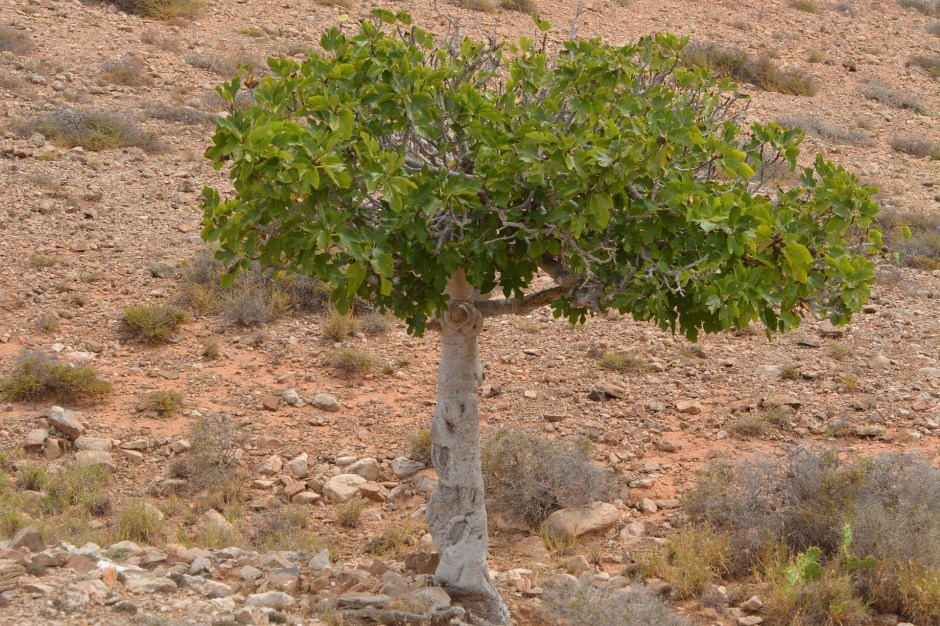
The next day, they left Bethany, and Jesus was hungry. He saw a fig tree with leaves in the distance. He went to it and looked for any figs on it. He found nothing except leaves because it wasn’t fig season.
Jesus said to it, “No one ever eat any more fruit from you.” His disciples overheard.
They arrive in Jerusalem. Jesus went into the temple and started sending out people who were selling and buying in the temple. He tipped over the money changer’s tables and the chairs of the dove sellers. Jesus did not allow them to carry anything through the temple.
Then he preached and said to them, “Isn’t it written, “My house will be called the house of prayer for all nations’? But you make it a robber’s cave!”
The chief priests and law experts heard this and began thinking about how to kill Jesus. They feared him because the whole crowd were amazed by his preaching.
When it was evening, Jesus and his disciples left the city.
In the morning, they passed and saw the fig tree completely dried up from the roots. Peter remembered and said to Jesus, “Teacher, look. The fig tree you cursed has dried up.”
Jesus replied, “Trust in God. I’m telling you, whoever says to this mountain, ‘lift up and throw yourself into the sea’ and doesn’t doubt in his heart but trusts that what he says happens, happens for him. Because of this, I’m telling you that for everything you pray and request, trust that you’ll get it, and it will happen for you. Whenever you stand and pray, if you have anything against anyone, forgive them so your Father in heaven also forgives you of your failures.”
They returned to Jerusalem, and Jesus walked in the temple. The chief priests, law experts and elders came to him and asked, “Through whose authority do you do this stuff, or who gave you authority to do this stuff?”
Jesus replied, “I’ll ask you one thing. Answer me, and I’ll tell you whose authority I am doing this stuff: Was John’s baptism from heaven or men? Answer me.”
They talked together, saying, “What do we say? If we say, “From heaven’, he’ll say, ‘Then why not believe him?’ But if we say, ‘From men’…” They feared the crowd because everyone considered John to be a real prophet.
They replied to Jesus, “Don’t know.”
Jesus said, “Then I’m not telling you with whose authority I am doing this stuff.”
Mark Chapter 11 Summary
Jesus enters Jerusalem riding on a donkey, fulfilling an ancient prophecy and greeted by crowds praising God. At the temple, Jesus overturns the tables of money changers and sellers, accusing them of ruining a house of prayer into a den of thieves. This act angers the chief priests and law experts, who start plotting to kill Jesus, fearful of his influence as the crowd is amazed by his teachings. The next day, Jesus curses a fig tree for bearing no fruit, which later dies, symbolising the fate of unfruitful lives. Jesus teaches about the power of faith and forgiveness: if one believes, their prayers will be answered. The religious leaders challenge Jesus’ authority, but cannot answer Jesus’s question about John’s baptism.
Mark Chapter 11 Bible Study Questions and Answers
- How does Jesus’ entry into Jerusalem on a donkey speak to the nature of his kingship?
Answer: Jesus’ entry on a donkey, rather than a warhorse, symbolises a kingship characterised by peace and humility, aligning with Christian values of modesty and serving. - What lesson can we learn from Jesus’ actions in the temple?
Answer: Jesus’ act teaches us that places of worship should remain pure and dedicated to God, not contain any worldly greed or dishonesty. - How does the fig tree drying up relate to our spiritual lives?
Answer: The fig tree serves as a warning against having the appearance of faith without the fruits of genuine belief and action. - What does Jesus teach about faith and prayer in this chapter?
Answer: Jesus teaches that faith is powerful and, when done with forgiving others, can lead to answered prayers, encouraging us to trust in God’s will and forgive others. - How does Jesus handle the challenge to his authority by the religious leaders?
Answer: Jesus avoids their trap and turns the question on them, demonstrating wisdom in dealing with opposition and teaching us to respond to challenges with thoughtfulness.
Mark Chapter 11 Explained
Mark 11 illustrates significant aspects of Jesus’ ministry and the nature of His mission. The chapter opens with Jesus’ triumphant yet humble entry into Jerusalem, an act that fulfils the prophecy of Zechariah 9:9, presenting Jesus as a king who brings peace. The donkey, a humble animal, contrasts with the expectations of a conquering saviour, redefining what it means to be a king in the eyes of the people and challenging contemporary understandings of power and authority.
Jesus’ actions in the temple is an important moment that demonstrates Jesus’ authority and his commitment to restoring the purity of worship. By overturning the tables, He shows a deep concern for the exploitation occurring within the temple’s walls, aligning His actions with Old Testament teachings that the house of God is a house of prayer for all nations. This event also signifies the coming judgment on the religious organisations and the nation for their spiritual emptiness, mirrored by the cursed fig tree.
The fig tree is a living parable; it represents the judgment that falls on those who fail to live a life of faith that produces fruit. Jesus’ teaching about the tree is a call to real faith that believes in God’s power and practices forgiveness. It challenges believers to reflect on the realness of their faith and the need to be fruitful in their spiritual walk.
The authority of Jesus is also a central theme. The religious leaders’ inability to answer Jesus’ question about John’s baptism highlights their spiritual blindness. Jesus’ refusal to answer their question about His authority further demonstrates that His authority is not derived from human approval but from His divine identity.
This chapter encourages reflection on the nature of true worship, the call to live a fruitful life in faith, and the recognition of Jesus’ divine authority. It is a call to humility, faith, and obedience, which are key elements in Christian living.
To read the next chapters, you might like to follow or subscribe to this blog!
Continue exploring Mark 11
If you’d like to read Mark xx in other translations, here are a few BibleHub links:
For a translation that aims to be word-for-word, try Mark 11 in the English Standard Version.
For a translation that aims to be more thought-for-thought, try Mark 11 in the New International Version.
For a translation that aims to communicate the overall meaning, try Mark 11 in the Contemporary English Version.
If you prefer to read the Bible in a hard-copy format, here are cheaper versions from Amazon:
[These are Amazon affiliate links which support the production of this blog]
For a translation that aims to be word-for-word, ESV Economy Bible
For a translation that aims to be more thought-for-thought, NIV, Economy Bible, Paperback: Accurate. Readable. Clear.
For a translation that aims to communicate the overall meaning, Holy Bible: Contemporary English Version
If you’d like to explore Mark in more depth, here are two commentaries I would recommend:
[These are Amazon affiliate links which support the production of this blog]
Easy to access commentaries that include life applications:
The NIV Application Commentary: Mark
Mark (The Story of God Bible Commentary)
For a commentary that goes into more depth:
The Gospel of Mark (The New International Commentary on the New Testament)
 Not My Life